
Physiotherapy
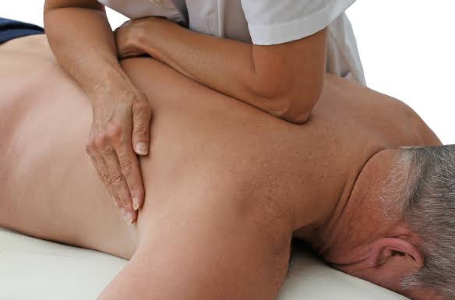
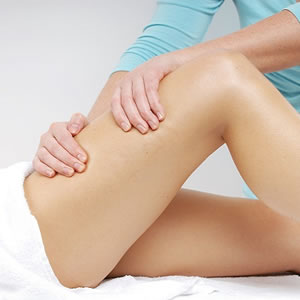
This is a science-based health care profession that restores maintains and optimizes movements, function and wellbeing. Physical methods such as exercise and manual therapy such as joint mobilisations and soft tissue massage are used. Some physiotherapists use electro therapies such as laser, shockwave and ultrasound but I find them of questionable value and so do not use them.
As well as musculoskeletal conditions and orthopaedics, physiotherapists are also trained to manage respiratory conditions like COPD and neurological issues such as stroke. As such, physiotherapists work in hospital wards and in the community as well as in outpatient clinics. Patient education is another key component of a physiotherapist’s role. This can de-mystify their condition(s) and give them confidence to eventually self-manage.
Physiotherapists are autonomous practitioners and as such can diagnose and then treat conditions from their own findings. To practice in the UK, they must be registered with the Health and Care Professions Council (HCPC) following a 3-year degree course. As part of their registration, they must also engage in Continuous Professional Development (CPD) to keep up to date with the latest research and practices and so deliver evidence-based practice.
From my own experience, on initial consultation, patients want to know four things: what’s the problem, why did it happen, what’s the plan and how long it will take to get better. Clarity of a treatment pathway and knowing what to expect are essential.
Personal Training (PT)
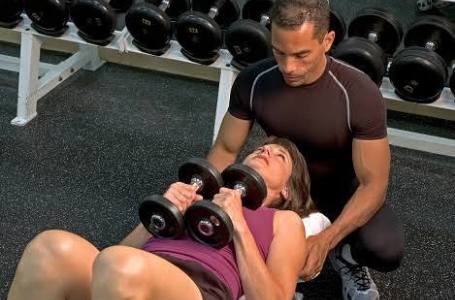
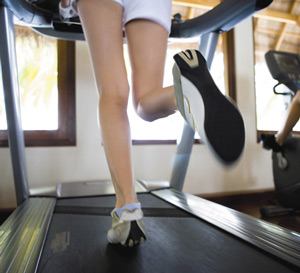
Personal trainers are exercise specialists who provide one-to-one or small group exercise sessions. This can ensure that exercise technique is taught and maintained and pitched at the right level and regressed or progressed as necessary. PTs can also provide motivation and make sure that the exercises are done to meet the desired goals. Exercise is much more effective with a specialist directing the session and will also join in.
PTs, however, are not medically trained and need to refer people out who are known to have medical or joint issues. As I am a physiotherapist and have qualifications in PT, I can bridge this gap and I particularly welcome older patients and/or those with medical conditions who want to improve their fitness and mobility and do not want to join a gym and need a trainer who understands their conditions.
As we get older, especially if we’re inactive, we gradually lose our strength and muscle mass, especially the muscle fibres responsible for strength and power. Our balance also declines unless practiced, as do our joint ranges of movement. With the correct exercise prescription all of these can be improved and it’s never too late to start.
Falls Prevention/Screening
As mentioned above, as we age our balance declines, making the risk of falling higher. This is even true if you are relatively fit and active if balance is not regularly practiced. Balance is the foundation of functional fitness and mobility.
As we age, a combination of muscle weaknesses, slower righting reactions and other factors leads to the decline in balance. Resultant falls can have a devastating effect and cost the NHS millions of pounds a year through broken hips and other fractures. They can lead to loss of independence and confidence for the individual and have a high mortality rate due to extended hospital stays which can lead to further problems such as pneumonia.
But the good news is that balance can be improved at any age with the correct, often simple, exercises. Screening tests such as the Berg Balance Scale, Timed Up and Go Test and Tinetti Assessment can be used to identify if someone is at risk of falling. From this, a personalized program can be designed to correct these deficiencies.
The Otago Exercise Program is of particular use with its combination of balance and strengthening exercises shown to reduce the risk of falling.
Rehabilitation post-surgery/hospital stay
After major surgery such as a knee or hip replacement rehabilitation is essential to maximise your potential after surgery. Hospital stays with these types of surgery are usually quite short (3 to 5 days) but there may have been a period before this with a reduction in mobility which will take time to restore. Often a patient will be discharged with a walking aid such as a Zimmer frame or crutches but will need to be progressed off these to a walking stick and then unaided, if appropriate.
With some conditions and surgery, hospital stays may be considerably longer and involve a lot of bed rest, leading to rapid muscle loss and resultant weakness. This will require intense, progressive rehabilitation to restore one’s independence.
Before major surgery such as hip and knee replacements prehabilitation can also be useful to ensure a quick recovery and also to know what to expect post-surgery.
Mobile Physiotherapy and Personal Training
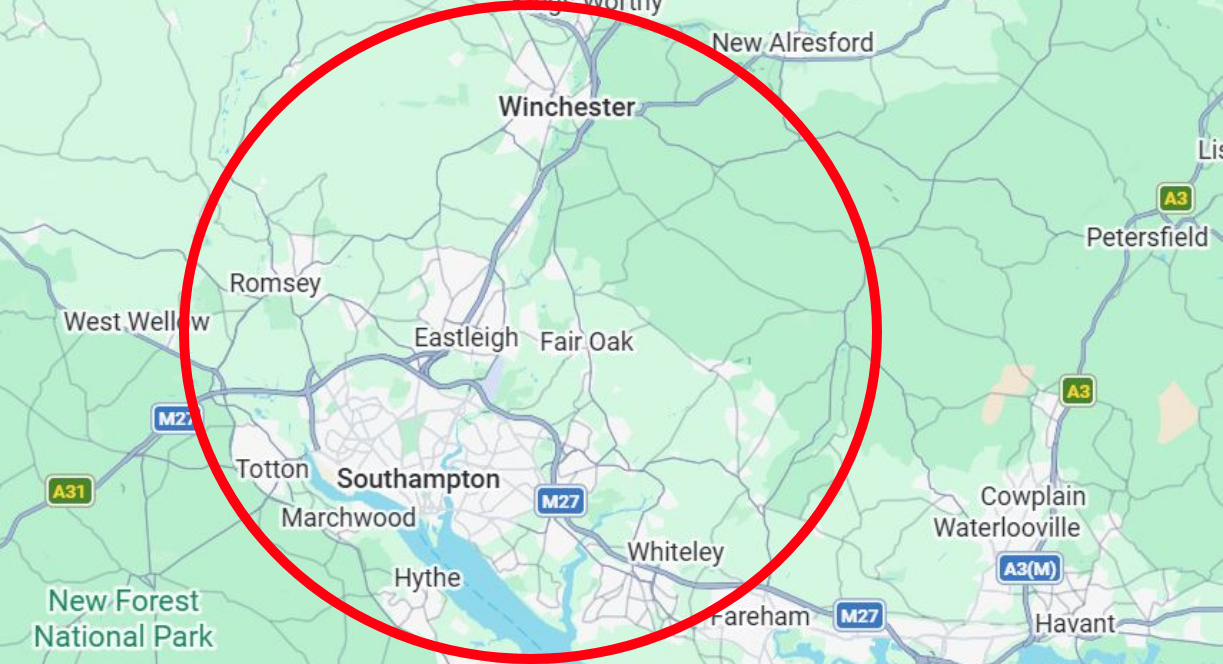
I will come to you, and I cover about 30 miles radius of Southampton or Winchester. I have a foldable physio bed and a variety of exercise equipment and treatment tools.
To find out more about our services or to make an appointment, call us on 01305 250507 or email info@dorchesterphysio.co.uk